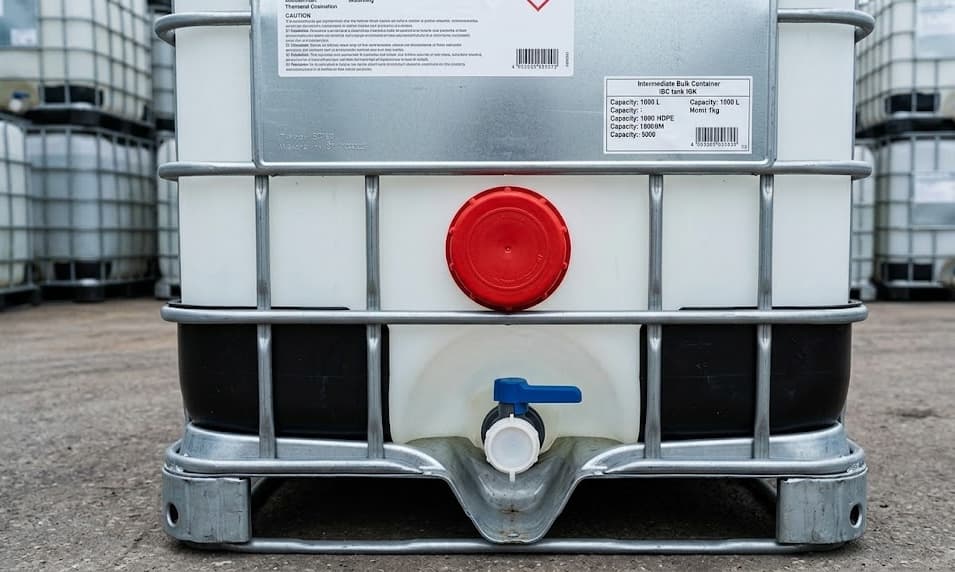
Complete IBC Buying Guide
Learn how to choose the right IBC tote: new vs reconditioned vs used, grade explanations, material types, inspection tips, cost comparison, and ROI analysis.
Purchasing IBC totes is a significant investment for any business that handles bulk liquids or granulated materials. Whether you are a first-time buyer or a seasoned procurement professional, this guide from IBC Cincinnati will walk you through every factor to consider before making a purchase. From our facility at 1405 Worldwide Blvd, Hebron, KY 41048, we have sold thousands of IBCs to businesses across the Midwest and beyond, and we have distilled that experience into this comprehensive resource.
New vs. Reconditioned vs. Used
New IBCs
Brand new IBCs come directly from the manufacturer with a fresh inner bottle, new cage, and new pallet. They are the best option when you need guaranteed cleanliness for pharmaceutical, cosmetic, or sensitive food-grade applications. New containers carry a full UN certification with a 5-year service life for hazmat transport.
Price range: $250 - $500+ depending on size and material
Best for: Pharma, cosmetics, first-use food-grade
Reconditioned IBCs
Reconditioned IBCs have been professionally cleaned, inspected, and restored to like-new condition. The inner bottle is triple-washed (or replaced entirely in a "rebottled" unit), the cage is straightened and repaired, and the valve and gaskets are replaced. Reconditioned units offer 50-70% of new IBC performance at 40-60% of the cost. They are the sweet spot for most industrial and many food-grade applications.
Price range: $100 - $250 depending on grade and condition
Best for: Food-grade, chemical, industrial, agricultural
Used IBCs
Used IBCs are sold as-is with minimal cleaning or refurbishment. They may show cosmetic wear, minor staining, or label residue but are structurally sound and leak-free. Used containers are the most affordable option and are ideal for non-food applications such as rainwater collection, industrial rinse water, non-potable storage, and waste collection.
Price range: $50 - $125 depending on condition and supply
Best for: Non-food storage, water collection, waste, general industrial
IBC Grade Explanations
Grade A — Food-Grade / Pharmaceutical
Previously held only food-grade or pharmaceutical products. Triple-washed with documented cleaning procedures. No staining, odor, or residue. Suitable for direct food contact, beverages, cosmetics, and pharmaceutical intermediates. Comes with a certificate of cleaning.
Grade B — Clean Industrial
Previously held non-hazardous industrial products such as soaps, detergents, or agricultural products. Cleaned and inspected with minor cosmetic wear possible. Suitable for non-food industrial liquids, cleaning chemicals, and agricultural applications.
Grade C — General Purpose
May have held a wider range of products. Basic cleaning performed. Cosmetic wear, minor staining, and label residue are typical. Ideal for non-food, non-sensitive applications such as rainwater harvesting, waste collection, and general storage.
HDPE vs. Stainless Steel
| Factor | HDPE (Composite) | Stainless Steel (304/316) |
|---|---|---|
| Cost (new) | $250 - $500 | $1,500 - $4,000+ |
| Weight (empty, 275 gal) | ~118 lbs | ~250 lbs |
| Chemical resistance | Good (most acids, bases, solvents) | Excellent (broadest compatibility) |
| Temperature range | -40°F to 140°F (-40°C to 60°C) | -40°F to 400°F (-40°C to 200°C) |
| Lifespan | 5 - 8 years (hazmat: 5 max) | 20+ years with proper care |
| Food-grade available | Yes (FDA-compliant HDPE) | Yes (304 or 316 SS, electropolished) |
| Recyclability | HDPE recycled to pellets (resin code #2) | 100% recyclable, high scrap value |
What to Inspect Before Buying
- 1. Inner bottle condition: Check for cracks, discoloration, strong odors, and UV degradation (yellowing). A bottle that is opaque white is in good condition; yellowed or brittle plastic has been UV-damaged.
- 2. Valve functionality: Open and close the bottom valve multiple times. It should operate smoothly without leaking. Check the gasket for wear or chemical damage.
- 3. Cage integrity: Look for bent or broken wires, rust spots, and loose welds. Shake the container gently to check for rattling or loose components.
- 4. Pallet condition: Inspect for cracks, rot (wood), warping, or missing boards. The pallet should sit flat on the ground without rocking.
- 5. UN markings: Verify the UN stamp is legible and the manufacture date is within 5 years if you plan to use it for hazmat. Check the packing group rating matches your application.
- 6. Previous contents: Always ask what the IBC previously held. A food-grade container that held chocolate syrup is very different from one that held industrial degreaser. The previous contents determine what the container can safely hold next.
- 7. Fill cap and gasket: Ensure the fill cap threads are not stripped and the gasket creates a tight seal. A leaky cap can lead to contamination and spills during transport.
- 8. Stacking test: If you plan to stack IBCs, verify the cage corners are square and undamaged. Stacking damaged containers creates a serious safety hazard.
Common Mistakes Buyers Make
- xBuying solely on price. The cheapest IBC is not always the best deal. A container that leaks after one use or fails a DOT inspection costs far more than paying slightly more upfront for a quality unit.
- xIgnoring previous contents. Using a container that previously held chemicals for food storage is not just a bad idea — it is a regulatory violation that can result in fines and product recalls.
- xNot checking UN dates for hazmat. A composite IBC older than 5 years from manufacture cannot legally be used to transport hazardous materials, regardless of its physical condition.
- xOverlooking valve compatibility. Make sure the valve type and size match your filling and dispensing equipment. Converting from a 2-inch to a 3-inch connection after purchase adds cost and complexity.
- xStoring IBCs outdoors without UV protection. HDPE degrades under direct sunlight. Even 6 months of unprotected outdoor storage can significantly reduce the lifespan and structural integrity of the inner bottle.
ROI of Reconditioned IBCs
Choosing reconditioned IBCs over new containers delivers compelling return on investment. Here is a typical cost analysis for a business purchasing 100 containers per year:
| Metric | New IBCs | Reconditioned IBCs | Savings |
|---|---|---|---|
| Cost per unit | $350 | $150 | $200/unit |
| Annual spend (100 units) | $35,000 | $15,000 | $20,000/year |
| 5-year total | $175,000 | $75,000 | $100,000 |
| Carbon footprint reduction | Baseline | -70% | ~18 tons CO2/year |
Seasonal Pricing Trends
IBC pricing is not static — it fluctuates throughout the year based on supply, demand, and industry cycles. Understanding these seasonal trends can help you time your purchases for maximum value.
| Season | Months | Supply Level | Demand Level | Typical Pricing | Best Strategy |
|---|---|---|---|---|---|
| Winter | Dec - Feb | High (end-of-year surplus) | Low | Lowest prices | Buy in bulk, stock up |
| Spring | Mar - May | Moderate | Rising (ag season starts) | Moderate | Lock in before summer peak |
| Summer | Jun - Aug | Low (high turnover) | Peak (agriculture, construction) | Highest prices | Order early, expect wait times |
| Fall | Sep - Nov | Increasing (harvest returns) | Declining | Moderate-Low | Good time for large orders |
Pro Tip: Volume Commitments
If you have predictable annual IBC needs, ask about annual volume commitments. IBC Cincinnati offers locked-in pricing for customers who commit to quarterly or annual purchase volumes, protecting you from seasonal price swings. A standing order for 25+ containers per quarter typically qualifies for 10-15% below spot market pricing.
Negotiation Tips
Whether you are buying 5 IBCs or 500, effective negotiation can significantly reduce your total cost. Here are proven strategies for getting the best deal on IBC purchases:
- 1.Bundle purchases. Buying containers, cleaning services, and replacement parts together gives you more leverage than purchasing each separately. Ask for a package deal that includes delivery.
- 2.Offer to return empties. Suppliers value the return of used IBCs for reconditioning. Offering to return your empties (instead of disposing of them) can earn you a credit of $10-$30 per container or a reduction in your purchase price.
- 3.Be flexible on pickup dates. If you can pick up containers on the supplier's preferred schedule (rather than demanding rush delivery), you may save on delivery fees or receive priority pricing.
- 4.Ask about cosmetic downgrades. IBCs with minor cosmetic imperfections (label residue, faded markings, slight cage discoloration) are functionally identical to Grade A containers but may be available at a significant discount.
- 5.Get multiple quotes. Always get at least 2-3 quotes from different suppliers. Bring competing offers to your preferred supplier and ask if they can match or beat the price.
- 6.Buy during the off-season. As shown in the seasonal pricing table above, winter (December through February) offers the best pricing. Buying your Q2 and Q3 needs during Q1 can save 15-25% compared to peak summer prices.
- 7.Establish a relationship. Long-term customers who consistently purchase from one supplier receive better pricing, faster service, and first access to limited inventory. Loyalty pays off in the IBC market.
- 8.Negotiate terms, not just price. Payment terms (net 30, net 60), delivery scheduling, return policies, and warranty coverage can be as valuable as a lower per-unit price. Consider the total cost of the relationship.
First-Time Buyer Checklist
If you are purchasing IBC totes for the first time, use this step-by-step checklist to ensure you cover all the essentials. Print this section or bookmark it for reference during your buying process.
IBC Purchase Checklist
Before You Shop
- [ ] Identify the product you will store/transport (chemical name, SDS if applicable)
- [ ] Determine required volume (gallons or liters per batch)
- [ ] Check if you need food-grade, hazmat-rated, or general-purpose containers
- [ ] Verify your forklift/pallet jack capacity and fork length
- [ ] Measure your doorways, aisles, and storage area dimensions
- [ ] Determine your floor load capacity (full IBCs can weigh 2,400-4,800+ lbs)
- [ ] Check with your insurance provider for any container requirements
When Buying
- [ ] Request container history (previous contents) for reconditioned/used units
- [ ] Verify UN markings and manufacture date (critical for hazmat)
- [ ] Inspect valve, gasket, fill cap, cage, and pallet condition
- [ ] Confirm valve size matches your filling/dispensing equipment
- [ ] Ask for a certificate of cleaning (for food-grade containers)
- [ ] Get pricing for delivery and ask about return/buyback programs
- [ ] Ask about warranty or satisfaction guarantee
After Purchase
- [ ] Set up a container tracking log (serial number, date received, contents, cleaning schedule)
- [ ] Train all employees on proper IBC handling and forklift operations
- [ ] Install secondary containment if required by state regulations
- [ ] Establish a cleaning and inspection schedule
- [ ] Plan for end-of-life disposal or recycling (contact IBC Cincinnati for recycling services)
Red Flags When Buying IBCs
Not all IBC sellers are reputable. Watch for these warning signs that may indicate a problematic supplier or substandard inventory:
Seller Red Flags
- !No physical address or facility. Reputable IBC dealers operate from a warehouse or yard where you can inspect inventory. Sellers who operate only through online classifieds with no verifiable location should be treated with caution.
- !Cannot provide container history. A legitimate reconditioner knows what each container previously held. If the seller says "I don't know" or "it doesn't matter," that is a serious red flag, especially for food-grade or chemical applications.
- !Prices significantly below market. If the price is 40-50% below what reputable suppliers are charging, there is usually a reason. The containers may be damaged, contaminated, expired for hazmat, or stolen.
- !No return policy or warranty. Any reputable seller should stand behind their product. A complete refusal to accept returns or address defects is a major warning sign.
Container Red Flags
- !Strong chemical odor. A properly cleaned IBC should have no noticeable odor. A persistent chemical smell indicates inadequate cleaning or absorption of the previous contents into the HDPE — the container may be permanently contaminated.
- !Yellowed or brittle plastic. This indicates severe UV degradation. The bottle may crack under stress or during temperature changes. UV-damaged bottles cannot be reliably reconditioned.
- !UN markings removed or obscured. If the UN markings have been intentionally removed, sanded off, or painted over, the container may have failed inspection or been retired from hazmat service. Legitimate reconditioners preserve or add re-inspection markings.
- !Mismatched components. A cage from one manufacturer with a bottle from another, or a clearly newer bottle in a severely rusted cage, may indicate hasty refurbishment without proper quality controls.
Supplier Evaluation Scorecard
Use this scorecard to objectively compare IBC suppliers before committing to a purchase. Rate each supplier on a scale of 1-5 (1 = poor, 5 = excellent) for each criterion. A total score of 35+ indicates a reliable supplier.
| Evaluation Criteria | What to Look For | Weight | Score (1-5) |
|---|---|---|---|
| Inventory Variety | Multiple sizes, grades, and conditions in stock | High | ___ |
| Container Documentation | Provides cleaning certs, history, UN verification | Critical | ___ |
| Pricing Transparency | Clear, upfront pricing without hidden fees | High | ___ |
| Delivery Capability | Reliable delivery, reasonable lead times, wide service area | High | ___ |
| Quality Consistency | Containers match the grade and condition described | Critical | ___ |
| Buyback / Return Program | Purchases empties, accepts returns, offers exchange programs | Medium | ___ |
| Facility & Equipment | Professional facility, proper cleaning equipment, organized yard | Medium | ___ |
| Customer Service | Responsive communication, knowledgeable staff, helpful attitude | High | ___ |
| Compliance Knowledge | Understands DOT, FDA, OSHA requirements; provides guidance | High | ___ |
| Environmental Practices | Recycles end-of-life containers, has sustainability programs | Medium | ___ |
IBC Cincinnati consistently scores 45+ out of 50 on supplier evaluations from our customers. We invite you to visit our facility and evaluate us against this scorecard yourself.
Did You Know?
The total cost of ownership (TCO) for a reconditioned IBC is typically 40-60% lower than a new IBC when you account for purchase price, useful life, disposal costs, and environmental compliance. A new 275-gallon IBC purchased at $350 with a 6-year useful life costs approximately $58 per year. A reconditioned IBC purchased at $150 with a 4-year remaining useful life costs approximately $37.50 per year — a 35% savings per year of service. When you factor in the environmental savings (reduced CO2, water, and landfill impact), the case for reconditioned IBCs becomes even stronger. Explore more data on our Environmental Impact page.
Buying Guide FAQ
What is the minimum order quantity?+
Do you offer financing or payment plans?+
Can I request a specific previous-content type?+
What is your return policy?+
How long is the typical lead time for large orders?+
Ready to Buy IBCs?
IBC Cincinnati carries a wide selection of new, reconditioned, and used IBC totes in all sizes and grades. Contact our sales team for pricing and availability, or visit our Hebron, KY facility to inspect inventory in person.